Axe Throwing in 2026
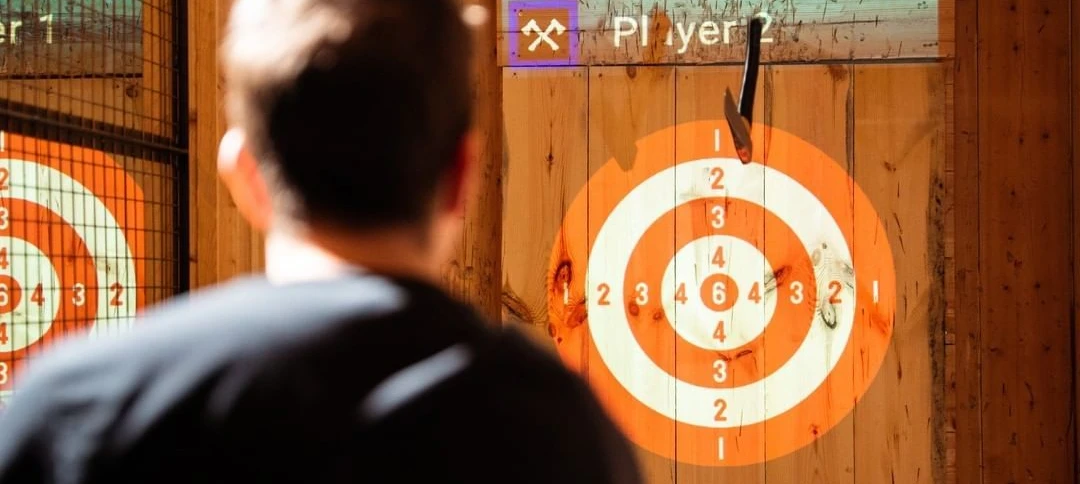
Axe throwing has come a long way from its early novelty days.
For years, the formula was simple: build a few lanes, teach guests how to throw, run group bookings, and let the excitement of doing something different carry the experience.
And for a while, that worked beautifully.
Axe throwing became a go-to activity for birthdays, corporate outings, bachelor and bachelorette parties, date nights, and family entertainment centers looking to add something bold to their attraction mix. It was social, easy to understand, and just dangerous enough to feel exciting without being out of reach.
But in 2026, the industry is in a different place.
The question is no longer, “Will people try axe throwing?”
They already have.
The better question now is, “What makes them come back?”
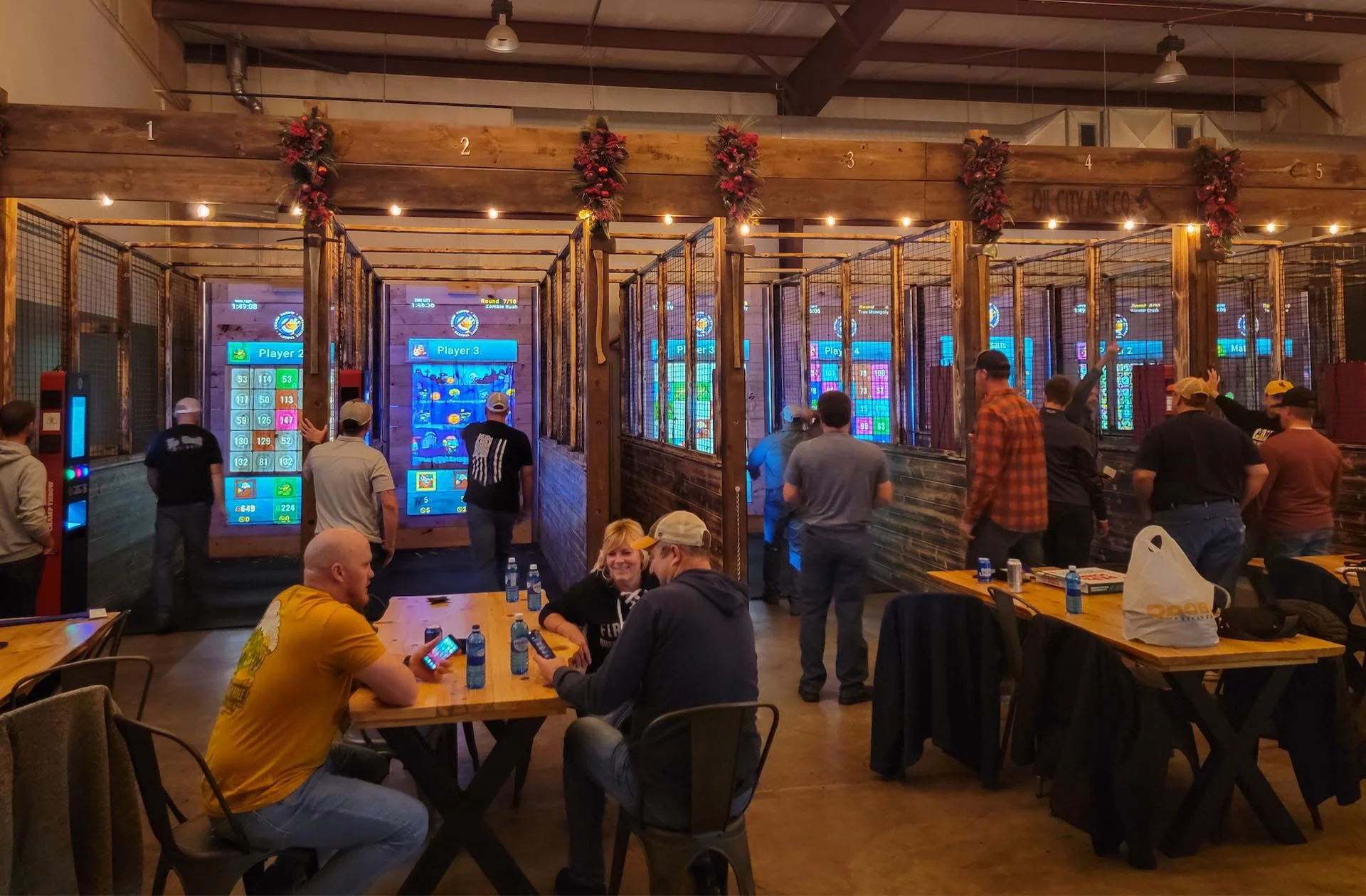
The Industry Is Not Gone. It Has Grown Up.
Like any entertainment trend, axe throwing has matured. The early wave was driven by curiosity. Guests wanted to try something new, take pictures, and say they had thrown an axe.
Today, operators need more than novelty.
The broader axe throwing market still has life. IBISWorld’s latest public snapshot reported U.S. axe throwing centers at $329.2 million in revenue, with revenue increasing at a 1.4% CAGR over the previous five years.
Competitive axe throwing is also still moving. The World Axe Throwing League reported 23 new affiliated venues in 2025, along with continued league and tournament activity.
That tells us something important.
Axe throwing is not disappearing. It is becoming more selective.
The venues that continue to do well are the ones treating axe throwing as part of a larger entertainment experience, not just a one-time activity.
What the Past Taught Us
The first phase of axe throwing proved that people love social competition. It proved that guests are willing to pay for shared experiences that feel different from the usual dinner, movie, or arcade night.
It also taught the industry a few hard lessons.
Axe throwing cannot rely on novelty forever.
Guests need variety.
Staff engagement matters.
Food, beverage, and atmosphere matter.
Repeat visits do not happen by accident.
Leagues, events, group packages, and social media moments can make a huge difference.
Most importantly, the experience has to evolve. If a guest comes in twice and everything feels exactly the same, the venue has to work much harder to earn visit number three.
That is not a failure of axe throwing. That is just entertainment. Arcades rotate games. Escape rooms build new rooms. Bowling centers add cosmic nights, tournaments, food specials, and scoring challenges.
Axe throwing has to keep giving guests a reason to return.
The FEC and Arcade Market Is Facing the Same Shift
This is not just an axe throwing issue. The broader family entertainment and arcade market is also changing.
IBISWorld lists the U.S. Arcade, Food & Entertainment Complexes market at about $6.0 billion in 2026, with 7,110 businesses operating in the category. That is a large market, but it is also a competitive one. Guests have more options than ever: arcades, bowling, mini golf, VR, escape rooms, rage rooms, immersive experiences, trampoline parks, social gaming venues, and hybrid food-and-play concepts.
IAAPA’s industry outlook also points toward operators focusing on new offerings, revenue growth, group sales, and guest behavior while navigating economic uncertainty and shifting consumer spending.
So the opportunity is still there.
But the winning attractions need to do more.
They need to be flexible, easy to market, fun for different age groups, and strong enough to create repeat visits.
The Present Opportunity: Better Experiences, Not Just More Lanes
In 2026, the strongest opportunity for axe throwing is not simply adding more lanes.
It is making each lane more valuable.
That means creating experiences that can change based on the guest in front of you.
🎯 A corporate group may want fast-paced team competition.
🎯 A family may need softer, safer throwables.
🎯 A league player may want accuracy and scoring.
🎯 A birthday party may want colorful games and photo moments.
🎯A returning guest may want something they have not played before.
That flexibility is where modern axe throwing can shine.
When operators can offer different games, different formats, different throwables, and different levels of challenge, the attraction becomes more than one activity. It becomes a platform for repeat play.
Where Champ Throw Fits
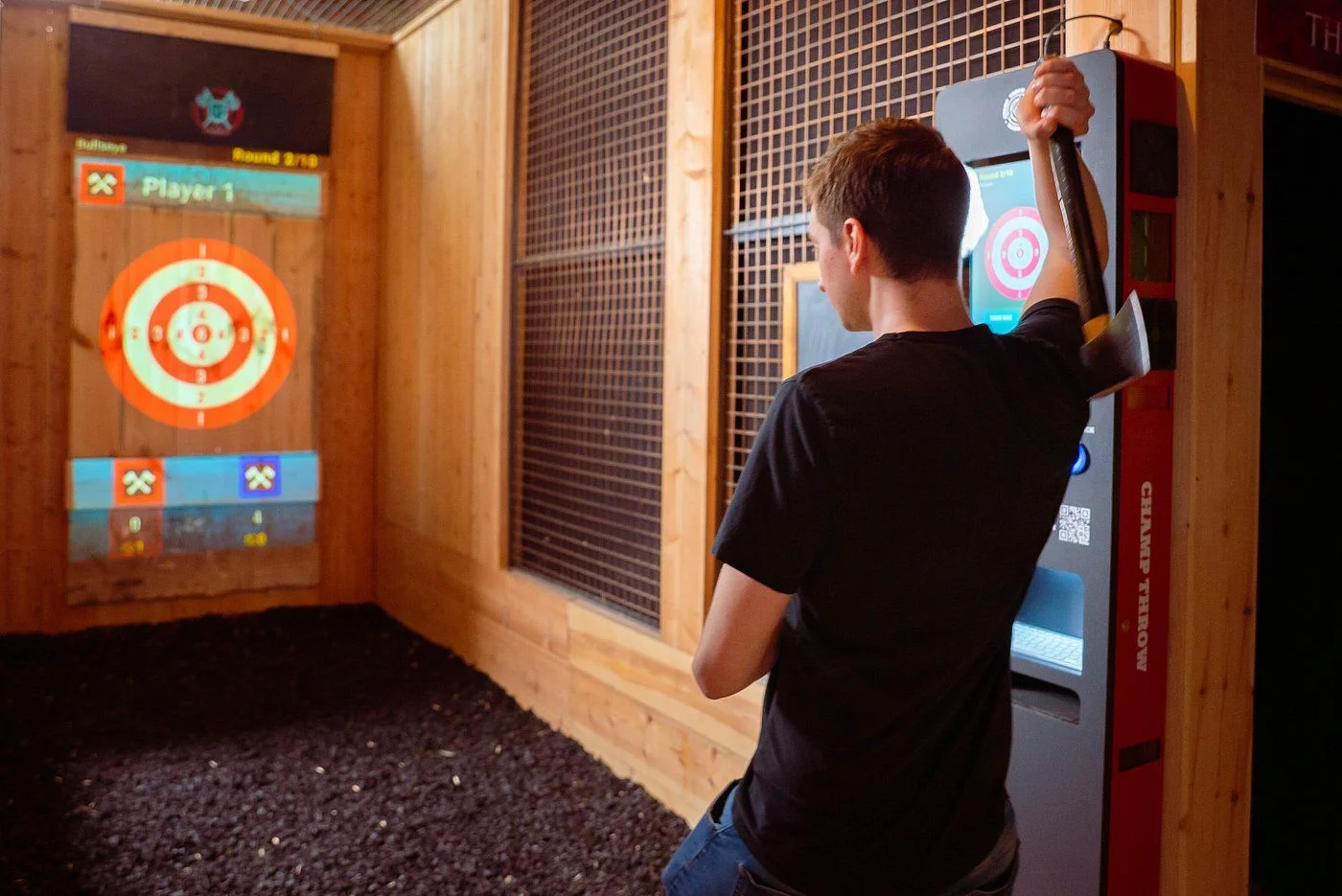
This is where interactive systems like Champ Throw can help venues move into the next phase without losing what made axe throwing fun in the first place.
Champ Throw transforms traditional lanes into an arcade-style axe throwing experience with self-scoring targets, dynamic projection games, and recognition for axes, darts, Velcro toys, arrows, and more. The system is built around engagement, retention, Photo Mode, mobile app integration, and an ever-growing library of games.
That matters because variety creates new reasons to play.
Instead of one static target experience, venues can offer changing games, different skill levels, family-friendly options, competitive formats, and social features that help guests stay connected after they leave.
That does not replace the core fun of axe throwing.
It builds on it.
ROI Starts With the Return Visit
When venues think about ROI, it is easy to focus only on the first booking.
How many lanes?
How many guests per session?
How much per player?
Those numbers matter, but long-term ROI is built through repeat behavior.
🪓Did the guest come back?
🪓Did they bring friends?
🪓Did they book a party?
🪓Did they join a league?
🪓Did they share a photo?
🪓Did they stay longer and spend more on food, drinks, or arcade credits?
🪓Did your staff have something new to promote next month?
That is where changing games, mobile app features, Photo Mode, Ad Mode, and multiple throwables become more than nice extras. They become operational tools.
They give the venue more ways to market the attraction, more ways to serve different audiences, and more reasons for guests to return.
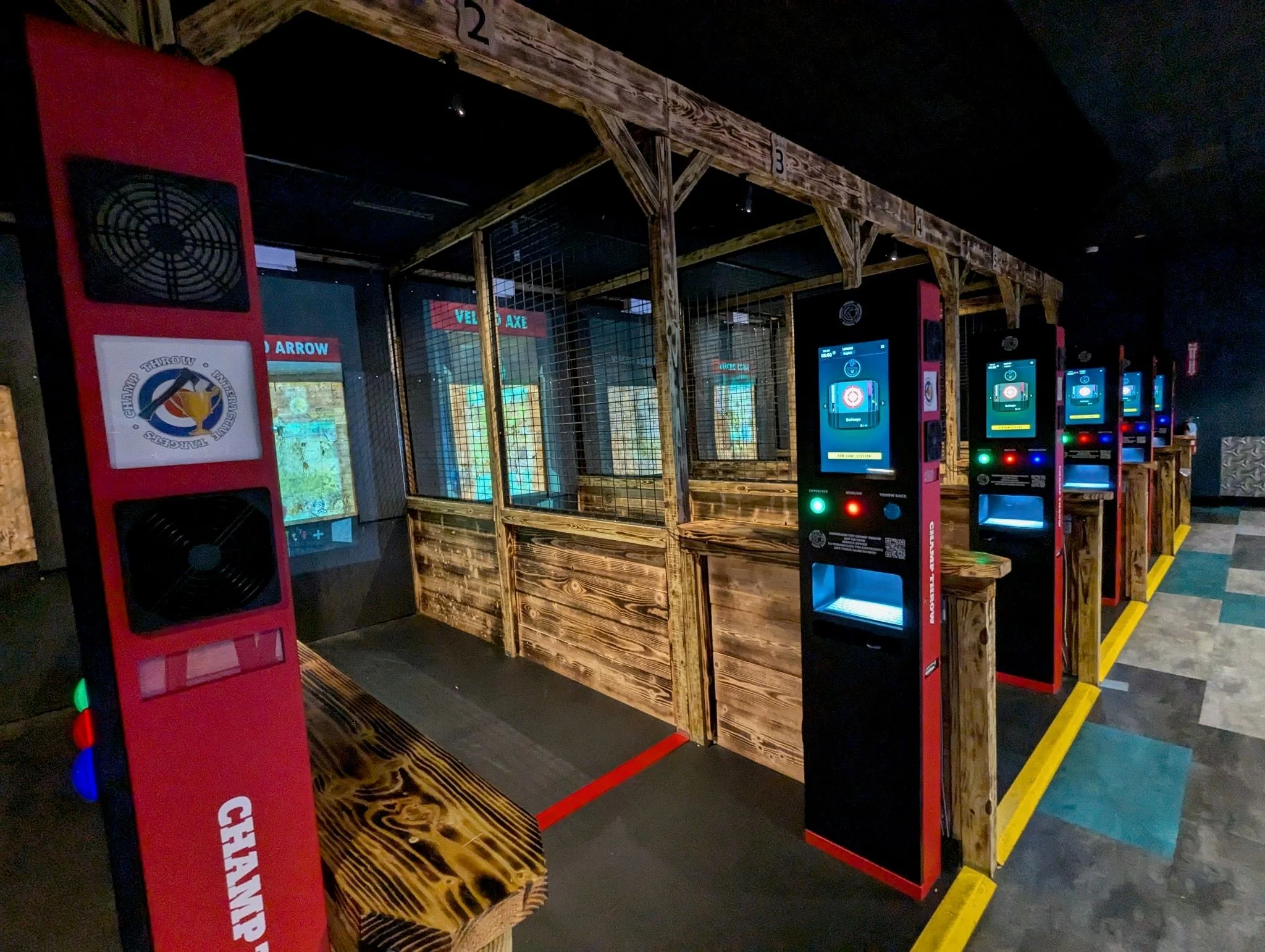
The Future Can Be Stronger Than the First Boom
The first boom of axe throwing was about discovery.
The next phase can be about depth.
Better games.
Better guest engagement.
Better staff tools.
Better family-friendly options.
Better league and event programming.
Better use of the same square footage.
Axe throwing does not need to go back to being a novelty. It can become a stronger, more flexible entertainment attraction that fits naturally inside FECs, arcades, bars, bowling centers, resorts, and mixed-use venues.
The future of axe throwing belongs to operators who are willing to evolve.
Not by abandoning what made the activity exciting, but by giving guests more ways to enjoy it.
Because in 2026, the goal is not just getting someone to throw once.
It is giving them a reason to come back, bring their friends, try a new game, beat their score, and make axe throwing part of their regular entertainment rotation.
And that is where the future still looks very sharp.
Looking for ways to refresh your axe throwing experience and create more reasons for guests to return? Champ Throw Interactive brings arcade-style games, automatic scoring, mobile app features, Photo Mode, and multiple throwables into one flexible system built for modern entertainment venues.
Other blog posts
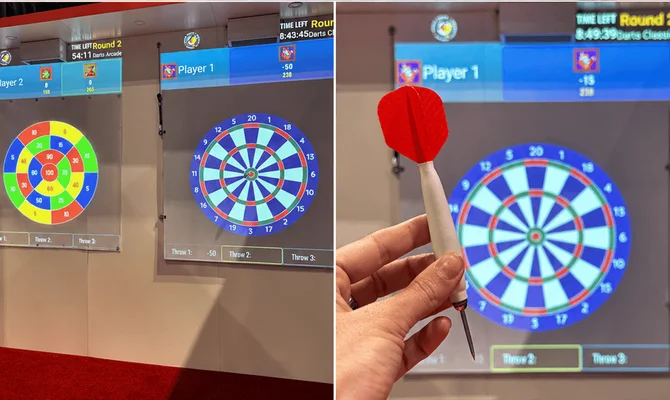
How Multi-Throwable Experiences Are Redefining Modern Entertainment Spaces
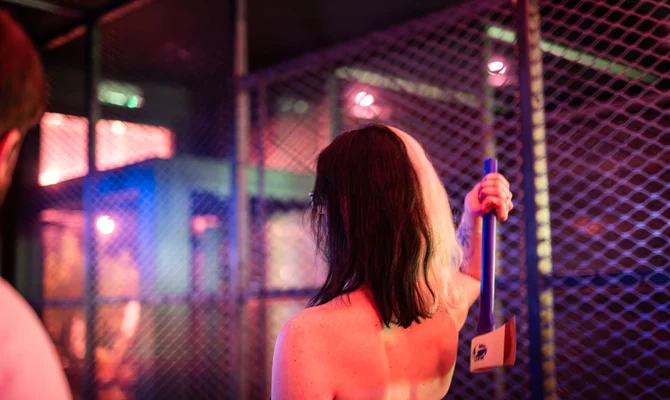
Even If you're not in a Big City 🎯
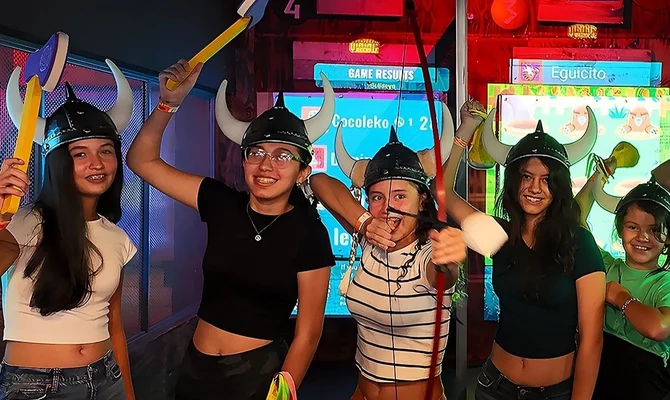
How Champ Throw helps you expand your audience without compromising safety